 AVEONI
Explore an Engineering Pilot
Working on drone hardware, research or teaching? Once pilot enquiries open, tell us what you are building and we will say whether an engineering pilot fits.
Explore an Engineering PilotDrone development kits designed for the Aveoni ecosystem, intended to let a team start integration work on a known airframe instead of building its own test drone first.
In Development
“Intelligent Flight” names a direction for the platform, not a delivered capability. Flight systems, companion computing and AI development are being designed to work together.
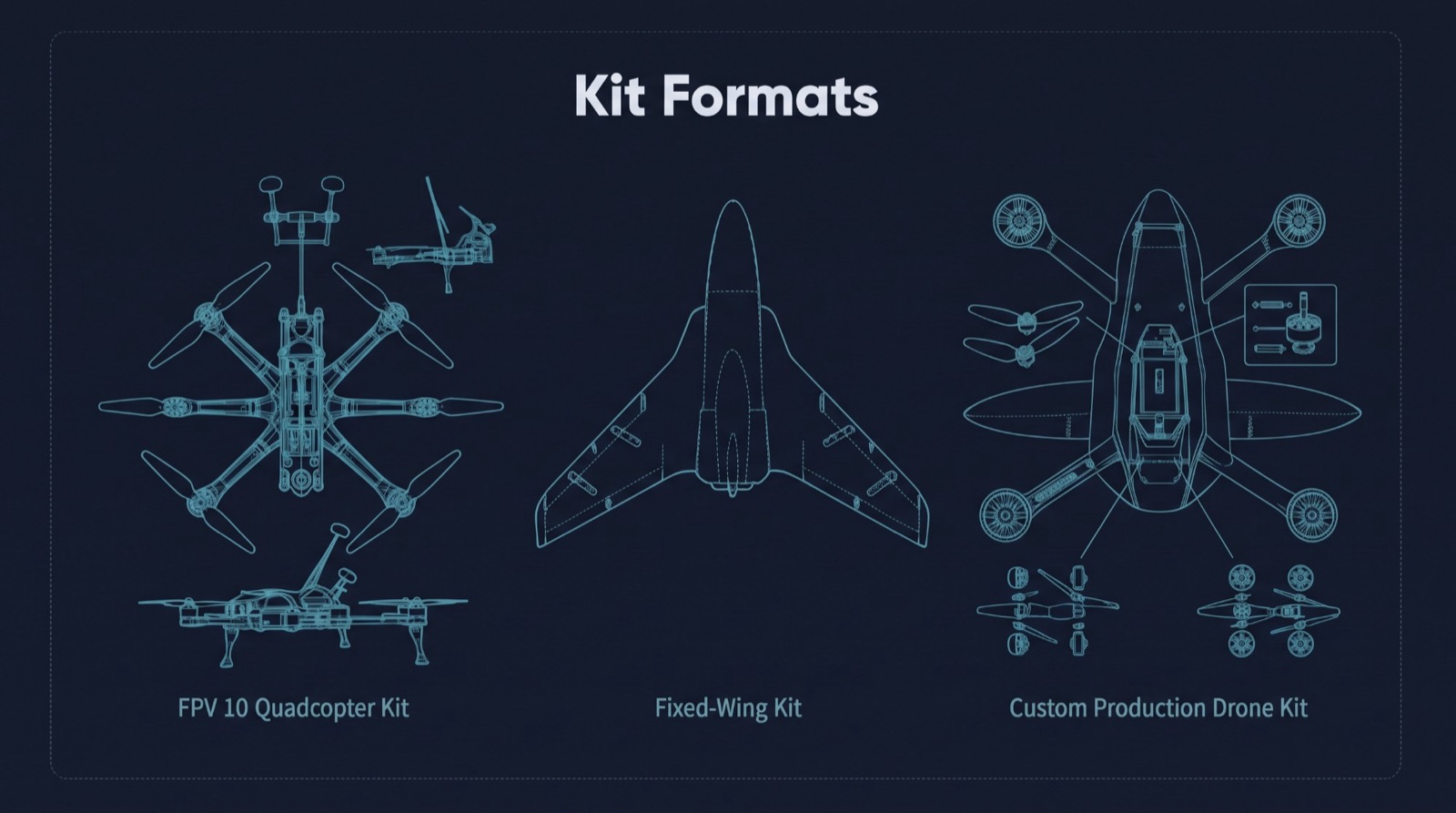
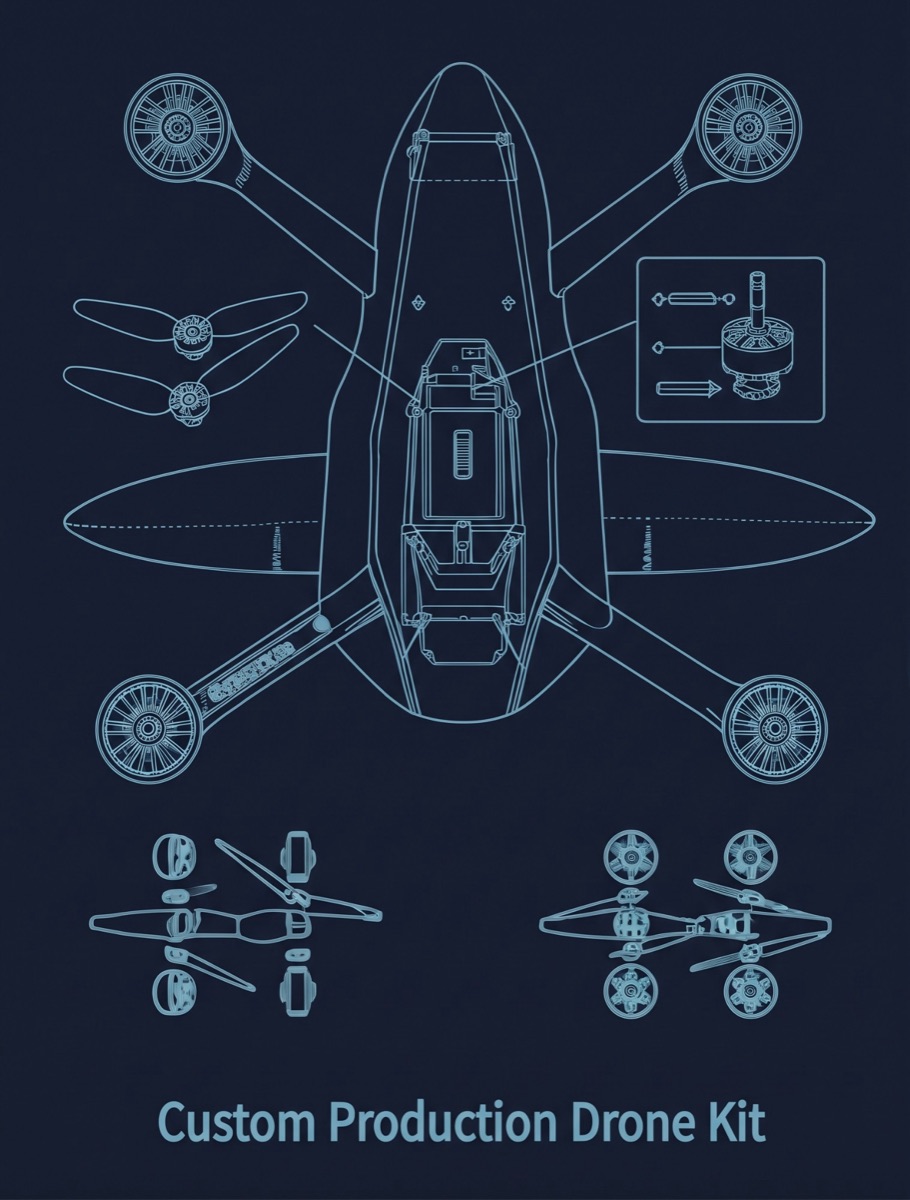
In Development
A seven-inch multirotor designed as a development platform, not a finished product. It gives your team one known airframe to build on, from the first prototype to the classroom and the research bench, and it is meant to be opened, rewired and extended with the payloads and sensors your project needs.
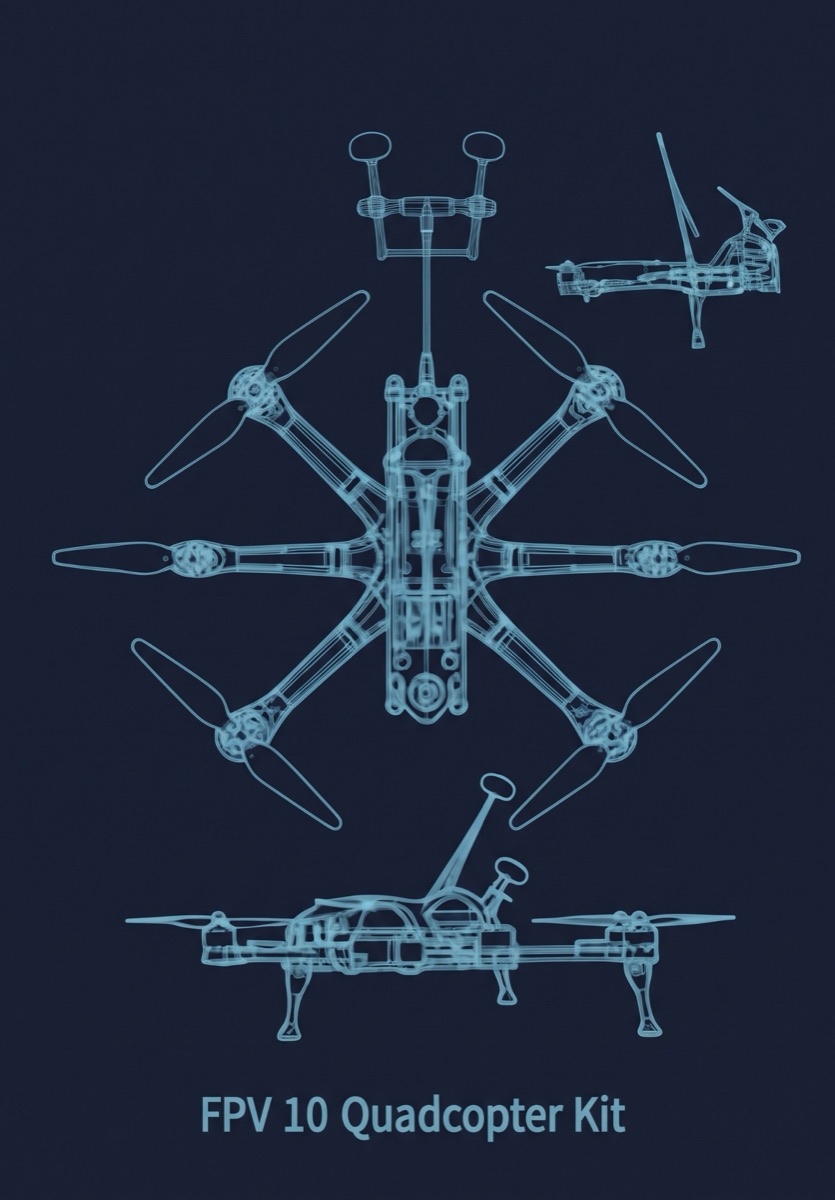
In Development
A larger, ten-inch multirotor for work that outgrows a small frame. It is designed with room for a companion computer, cameras and heavier payloads, so your team can take perception and onboard-compute experiments out of the lab and onto a real airframe. Shown here as a folding-frame concept.
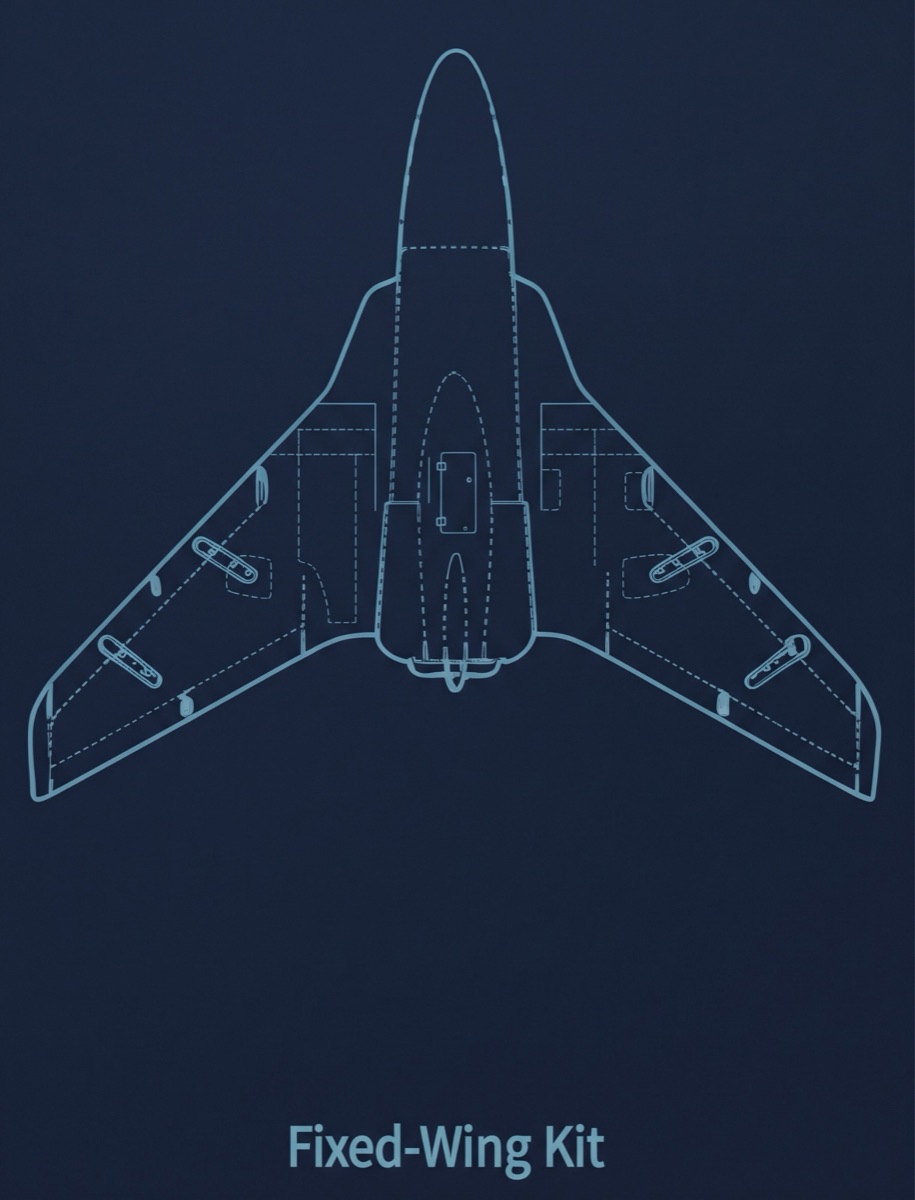
In Development
A fixed-wing airframe for missions that need to cover distance rather than hover. It is designed for teams developing mapping, survey and inspection work on longer-endurance flights, and for teaching how fixed-wing flight control differs from a multirotor, with the same open, accessible build as the rest of the family.
Closed airframes slow development down: every change starts with taking apart something that was never meant to be opened. Each Aveoni kit is designed the other way round. The flight controller, the companion computer, the sensors and the software are separate, accessible parts, so your team can inspect, replace and test each one without rebuilding the drone.
These are intended integration directions. They are not a working end-to-end stack, and no kit is yet integrated with any of them.
Flight controllers and their firmware, configured from the same project as the rest of the kit.
In Development Aveoni Companion is a first-party hardware companion computer, intended to pair with the kits for onboard compute.
Sensor and camera interfaces the kits are designed to expose for development and recording.
A place to develop and test models and autonomy code against the kit. On-device inference is not yet verified.
Links between the airframe, the companion and the ground. No connectivity option is confirmed for any kit.
Studio is intended to configure and inspect the kit. Studio today connects to Betaflight flight controllers over USB and reads their identity.
Prototype a payload or companion integration on a real airframe. Test flight-system changes against a fixed development format before they go near a production build.
Use a kit to teach embedded systems, flight software and hardware integration. Education programmes built on the kits are not yet defined.
Working on drone hardware, research or teaching? Once pilot enquiries open, tell us what you are building and we will say whether an engineering pilot fits.
Explore an Engineering Pilot